This article is part of the series 'Industry-Tailored HVAC Management: Beyond Savings.'
Part 1: ⚠️ More Than Cooling — AI HVAC Management That Detects Power Anomalies and Equipment Faults
Part 2: 🌱 Cutting Carbon with a Single HVAC Unit? A Savings Solution Tied to ESG Management
Part 3: 🏭 HVAC Environments by Industry — How Much Energy-Saving Potential Is There?
Part 4: ✅ ESG HVAC Assessment Checklist: Gauge Your Site's ESG Contribution
Part 5: 🏢 AI HVAC Control Readiness Checklist: Is Your Site a Fit?
Part 6: 🌬️ Manufacturing vs. Franchise — How Cooling Strategies Differ
Part 7: 🎁 AI HVAC Savings — Grab Your Free PoC Trial Now!
University dormitories, corporate training centers, military barracks — for these
communal living spaces
, HVAC cost is one of the biggest management issues.
With residents present 24 hours a day and shared and private spaces intermixed, simple temperature control alone rarely delivers energy savings.
So what approach does a dormitory environment actually need?
The Three Big Challenges of Dormitory HVAC
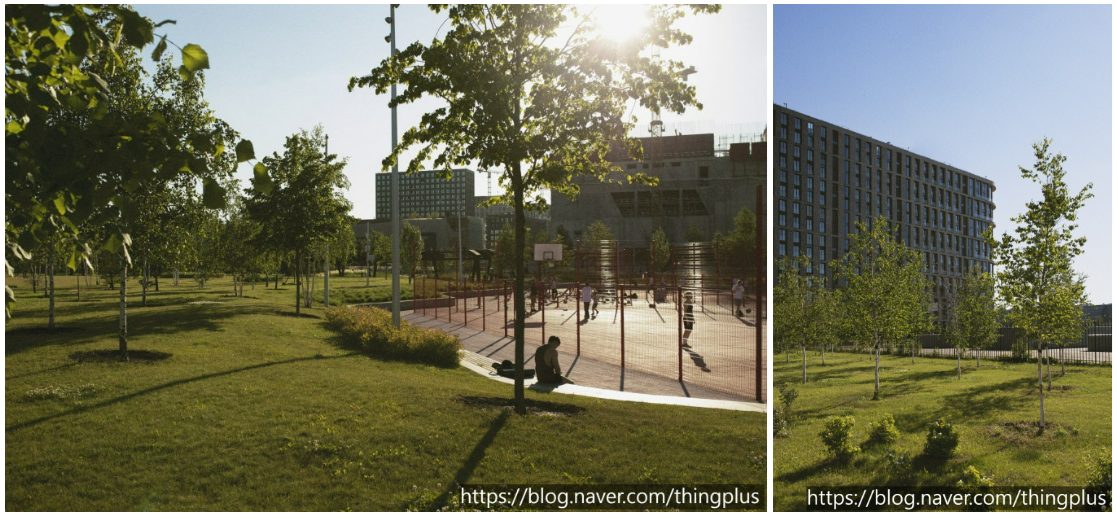
Irregular usage patterns
– Whole floors get heated or cooled even when some rooms sit empty
– Occupancy swings with exam periods, vacations, and the seasons
The nature of communal living
– Limited equipment must cover many people at once
– Overcooling and overheating generate complaints
The limits of manual management
– Power use keeps rising, but real-time monitoring and control are impossible
– The electricity bill burden grows every year
Energy Saving Scenarios That Apply Here
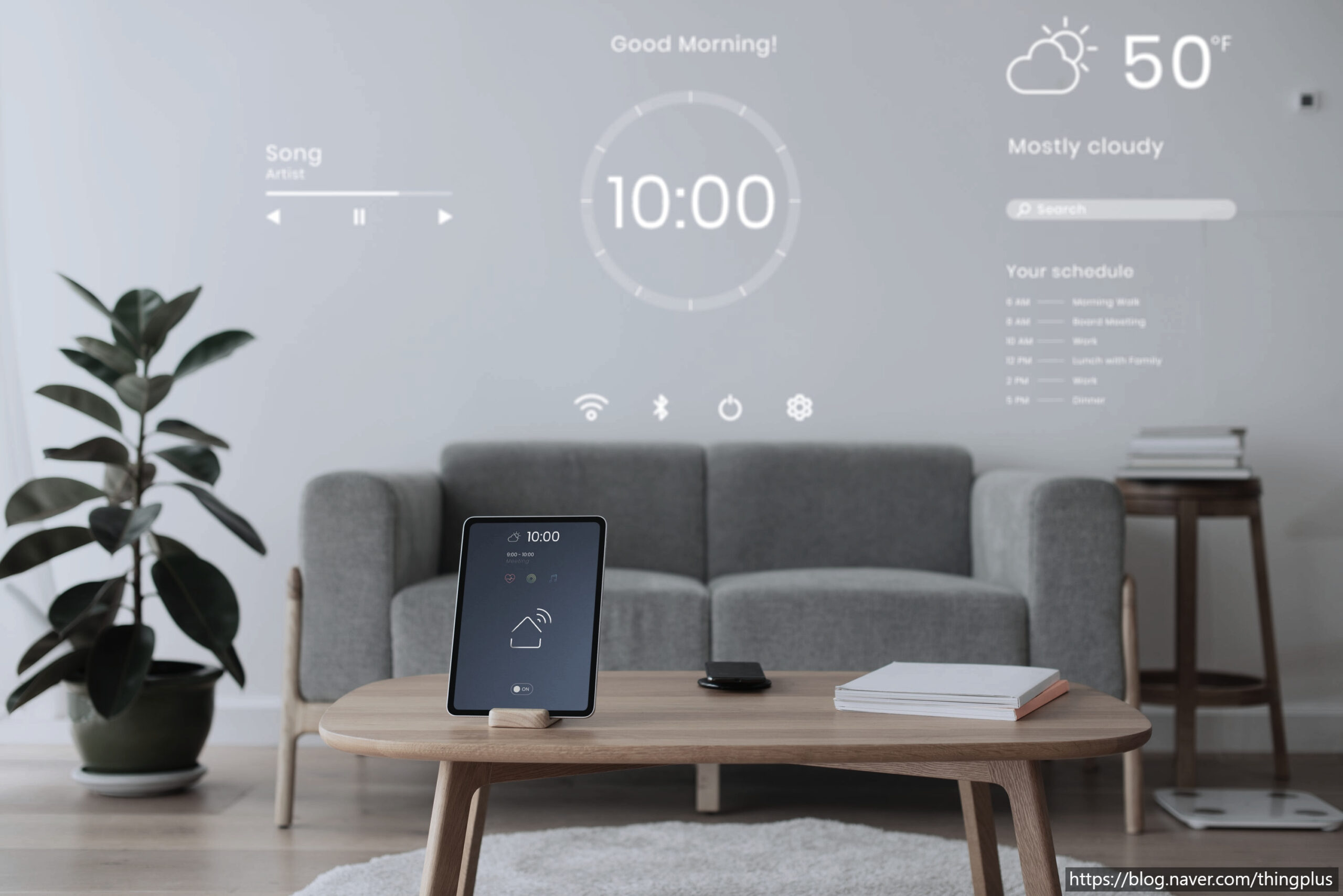
The Energy Saving service
uses AI to analyze
indoor/outdoor temperature and humidity, occupancy, and power usage patterns
, then automatically executes optimal
HVAC control
.
Occupancy-based control
– Integrates with sensors or the booking system → unused rooms switch to power-saving automatically
– Shared lounges and study rooms get an automatic boost when crowds gather
Independent zone control
– HVAC operates separately by floor or zone
– Reduces usage variance within the same building for more efficient management
AI-optimized operation
– Integrates outdoor temperature, indoor temperature/humidity, and power usage data
– Cuts overcooling and maintains comfort on minimal power
Expected Results

– Lower electricity bills
: minimizing unnecessary HVAC can save 20~30% annually
– Higher resident satisfaction
: uniform comfort, fewer complaints
– ESG and carbon-reduction contribution
: the more people share the space, the greater the impact
How Good a Fit Is Your Dormitory?
The Energy Saving service is not a vague promise that “savings are possible” —
it can predict actual results based on your site's conditions
.
Use the checklist below to quickly see
how well your dormitory, barracks, or training center fits
.
✅ Checklist: Self-Assess Your Suitability
□ Vacant rooms occur frequently in the dormitory
□ Usage of shared spaces (lounge, study rooms) varies sharply by time of day
□ Electricity bills rise every year, straining the budget
□ HVAC imbalance (overcooling, overheating) triggers frequent resident complaints
□ You need energy savings and ESG metrics management at the same time
If 3 or more apply → Energy Saving is likely to deliver strong results for you.
Conclusion
Dormitory environments are prone to energy waste because
usage patterns are irregular and management efficiency is low
.
Energy Saving solves this with
occupancy-based automatic control + zone control + AI optimization
, delivering
lower electricity bills, comfort, and ESG contribution
all at once.
✅ 2025 Special Event
We are selecting 10 companies to receive a free PoC (Proof of Concept) service.
Run a quick self-assessment to see whether your site is a fit, then apply — applications are reviewed on a priority basis.